
How AI Load Tools Drive Backup System Innovation
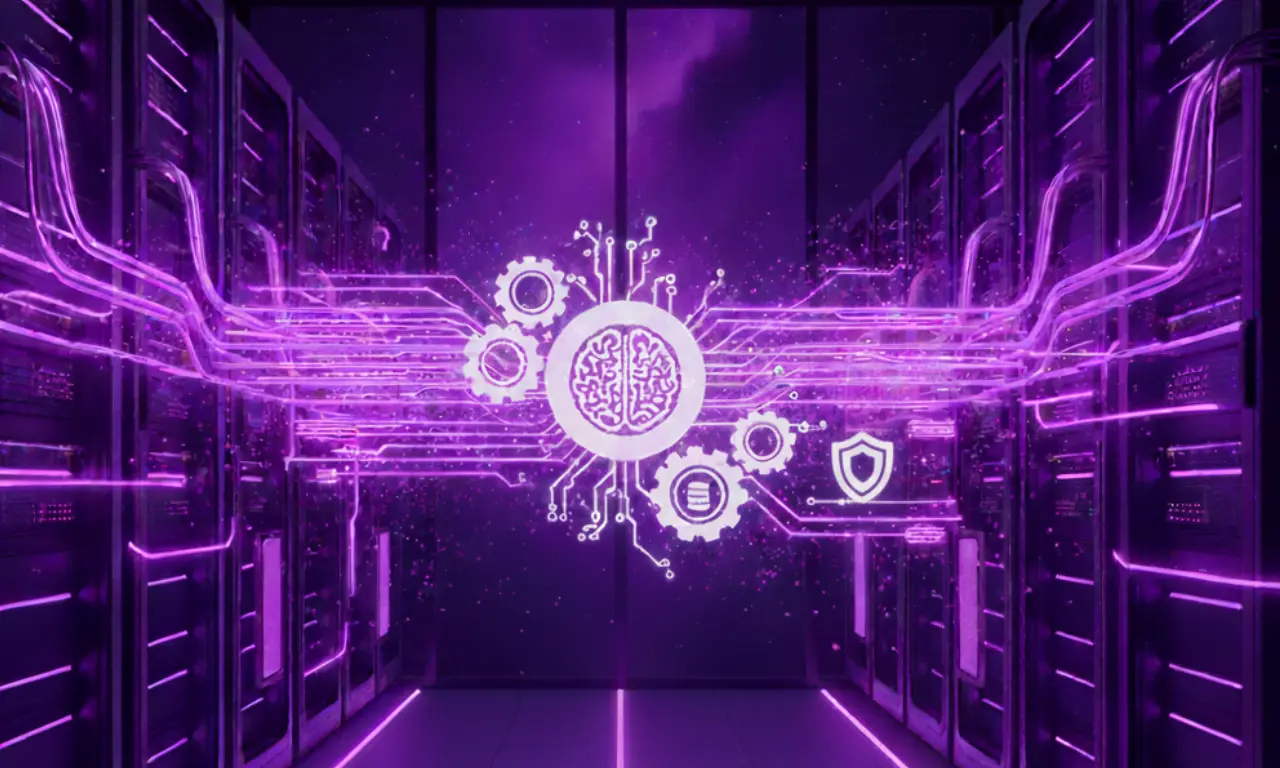
Power backup expectations in Indian households and small commercial spaces are evolving rapidly. Consumers no longer accept basic inverter-battery combinations; they expect systems that adapt to their appliances, usage intensity, and local power conditions. This shift has placed pressure on manufacturers to innovate beyond traditional sizing formulas and adopt more predictive, data-driven design frameworks. AI load calculators have emerged as the catalyst for this transformation, providing insights that earlier product teams, channel partners, and service networks could not access with accuracy or speed.
As the industry expands into hybrid inverters, advanced lithium energy storage, and modular systems, data precision becomes the core competitive differentiator. AI load modeling battery design, machine learning inverter optimization, and intelligent energy storage solutions are enabling brands to build backup systems engineered for future consumer demand. This marks a fundamental shift: backup technology is no longer hardware-led but insight-led, with AI redefining how systems are designed, sized, and optimized for India’s diverse load patterns.
How AI Is Redefining Backup System Innovation
AI load calculators are transforming backup systems from standard, one-size-fits-all products into personalized, data-configured solutions. Historically, system design depended on static assumptions, fixed VA ratings, generic backup expectations, and manual appliance lists. The result was frequent undersizing, oversized systems leading to unnecessary cost escalation, or unpredictable runtime. AI addresses this gap by interpreting actual home appliance behavior, cycling loads, surge patterns, and time-of-day consumption. The output is not just a recommendation; it becomes a structural input for next-generation power backup technology.
Modern manufacturers now depend on these engines to understand how fans, refrigerators, air coolers, pumps, televisions, and light loads behave under variable grid conditions. AI models quantify how fluctuating voltage, seasonal shifts, and increased appliance density impact system performance. These insights flow directly into engineering teams, shaping product architecture and performance guidelines with a depth of clarity unavailable through traditional testing.
AI load calculators are also improving the commercial side of the industry. Retailers, service networks, and installers now use these tools to avoid misconfigurations, reduce returns, and ensure accurate sizing for diverse customer segments. Over time, the data pool enriches the machine learning inverter optimization engine, enabling more predictable, region-specific system behavior. This creates a continuous feedback loop between real-world usage and future system design.
1. AI Load Modeling Is Transforming Battery Design
Historically, inverter batteries whether flat plate, tubular, or lithium were developed using generalized load assumptions. Manufacturers expected households to follow predictable patterns, yet India’s appliance adoption varies widely across states, cities, and income clusters. AI load modeling battery design changes how battery chemistries, capacities, and discharge characteristics are engineered.
Shaping battery architecture through granular load prediction AI models predict energy draw at micro levels, including surge power for motor-driven appliances and runtime decline under high-load clusters. This allows OEMs to design batteries with precise energy density, optimal plate structure, and region-specific performance curves. Manufacturers now understand, with data-backed certainty, how batteries respond to evolving lifestyles where loads increase annually.
Influencing lithium-ion and advanced chemistries The shift toward lithium energy storage requires insight-driven calibration. AI helps determine ideal cell configurations, charge-discharge windows, and temperature-performance behavior. This enables the creation of intelligent energy storage solutions tailored to Indian climatic and electrical realities, a significant improvement over generic imported storage modules.
Reducing failure rates and improving longevity Data-driven modeling reduces mismatch between battery capability and user demand. Overcharging, deep discharging, and chronic overload leading causes of premature failures, decrease substantially. AI-supported design ensures batteries maintain consistent performance across long cycles and unpredictable regional grid fluctuations.
This level of precision is reshaping the battery category, moving it from product-standardization to performance-customization.
2. Machine Learning Is Optimizing Inverter Performance
Inverters are evolving from simple power converters into adaptive, intelligent systems capable of learning from usage patterns. Machine learning inverter optimization enables manufacturers to tune inverter algorithms based on performance deviations, load transitions, and power conditions captured across thousands of installations.
Improved efficiency and enhanced load handling Machine learning models help identify how inverters respond to mixed loads like refrigerators combined with fans or cooling devices during voltage drops. These insights guide enhancements in switching efficiency, voltage regulation, and surge handling, significantly upgrading real-world performance.
Optimizing DSP algorithms and MPPT tuning For hybrid inverters with solar integration, AI refines MPPT behavior and switching characteristics. Traditional testing cannot simulate the full range of real-world variations; machine learning can. The result is better energy harvesting, reduced heat loss, and more stable performance under fluctuating conditions.
More durable electronics with predictive stress mapping AI insights reveal where components undergo maximum stress. This allows manufacturers to upgrade heat sinks, redesign PCBs, or improve firmware responses. The outcome is a generation of systems with longer operational life, better safety, and reduced maintenance requirements.
Machine learning is systematically elevating inverter engineering by providing a constant flow of actionable intelligence.
3. Smart Inverter Design Frameworks Are Emerging
Backup systems are transitioning from static devices to intelligently configured platforms. A smart inverter design framework integrates AI-driven insights into engineering, enabling product teams to build systems that adapt rather than react.
Shift from generic design to adaptive design AI load models allow OEMs to configure inverters based on demographic profiles, urban high-load users, tier-2 mixed-load households, or rural low-density usage. Each segment demands different voltage, surge, and runtime calibration.
Embedded AI for real-time parameter tuning Next-generation inverters are beginning to integrate embedded AI that adjusts performance parameters in real time, optimizing output voltage, managing thermal load, and ensuring smoother transitions between mains and backup.
Better integration with smart homes and IoT platforms The future of backup technology lies in interoperability. Smart inverters will connect with home networks, allowing automation, diagnostics, and predictive alerts. AI-driven tuning ensures these devices perform efficiently within connected ecosystems.
This marks the beginning of intelligent, self-adjusting backup systems.
4. Intelligent Energy Storage Solutions Are Accelerating Hybrid Adoption
The rise of solar–inverter hybrid systems has made energy storage innovation essential. Traditional inverter batteries cannot handle the charge-discharge cycles or thermal fluctuations of hybrid usage. Intelligent energy storage solutions, supported by AI, fill this gap.
Optimizing charge profiles for hybrid systems AI detects patterns in sunlight availability, regional weather trends, and load behavior to recommend optimized charge cycles. This maximizes energy utilization without stressing the storage unit.
Predictive analysis for longer battery life AI models identify potential stress pockets, deep discharges, peak-hour overdraw, or rapid cycling. Manufacturers can create better BMS logic that proactively avoids degradation.
Modular storage architecture AI insights support the development of modular lithium packs designed for scalability, future-proofing homes as appliance density continues rising.
Hybrid backup systems are becoming mainstream, with AI dictating how storage must evolve.
5. AI Insights Are Shaping Product Roadmaps
The most transformative impact of AI load calculators lies in their influence on product development strategy. For the first time, manufacturers gain visibility into actual load behavior across thousands of households.
Data-backed design cycles
Instead of intuition-led roadmaps, brands now rely on aggregated AI insights to decide:
-
ideal VA ranges
-
battery capacities
-
inverter modes
-
solar compatibility
-
price-performance balance for each segment
Region-specific models Tier-2 households, urban high-power users, and rural low-voltage regions all have different needs. AI enables manufacturers to design segment-specific systems, ensuring stronger adoption and lower returns.
Reducing R&D risk Data-backed modeling minimizes uncertainties in component selection, thermal requirements, failure probabilities, and cost estimation.
AI is making backup system innovation predictable, repeatable, and commercially efficient.
Conclusion
AI load calculators have become central to the evolution of India’s power backup industry. They enable precision in inverter sizing, improve battery architecture, and support the development of adaptive, next-generation systems. As data-driven intelligence replaces static design, brands gain the ability to build products that align with real consumer behavior rather than assumptions. This shift enhances performance, durability, and user satisfaction across regions. AI is positioning backup technology for a future defined by efficiency, innovation, and long-term system reliability. GrowthJockey provides AI-driven insights that strengthen product design, optimize inverter-battery matching, and support scalable innovation. Brands gain clarity on load behavior, performance gaps, and market-ready product configurations, enabling faster development of next-generation backup solutions.
FAQs
1. How do AI load calculators support inverter design?
Ans. They offer real-world load data that refines inverter performance algorithms and capacity planning.
2. How does AI improve battery innovation?
Ans. It guides battery design using accurate modeling of surge patterns, runtime needs, and regional load variations.
3. Why are intelligent energy storage solutions important?
Ans. They enable hybrid and lithium-based systems to operate efficiently under diverse usage conditions.
4. How does AI enhance product reliability?
Ans. By predicting stress points and optimizing thermal and surge behavior across components.
5. How do brands benefit from machine learning inverter optimization?
Ans. It enables adaptive performance, reduced failures, and future-ready system calibration.







BETA
AdGPT

Industries
Growth
Operations
Technology