
FMCG Retention Strategy: CRO, Automation & Subscription Loops
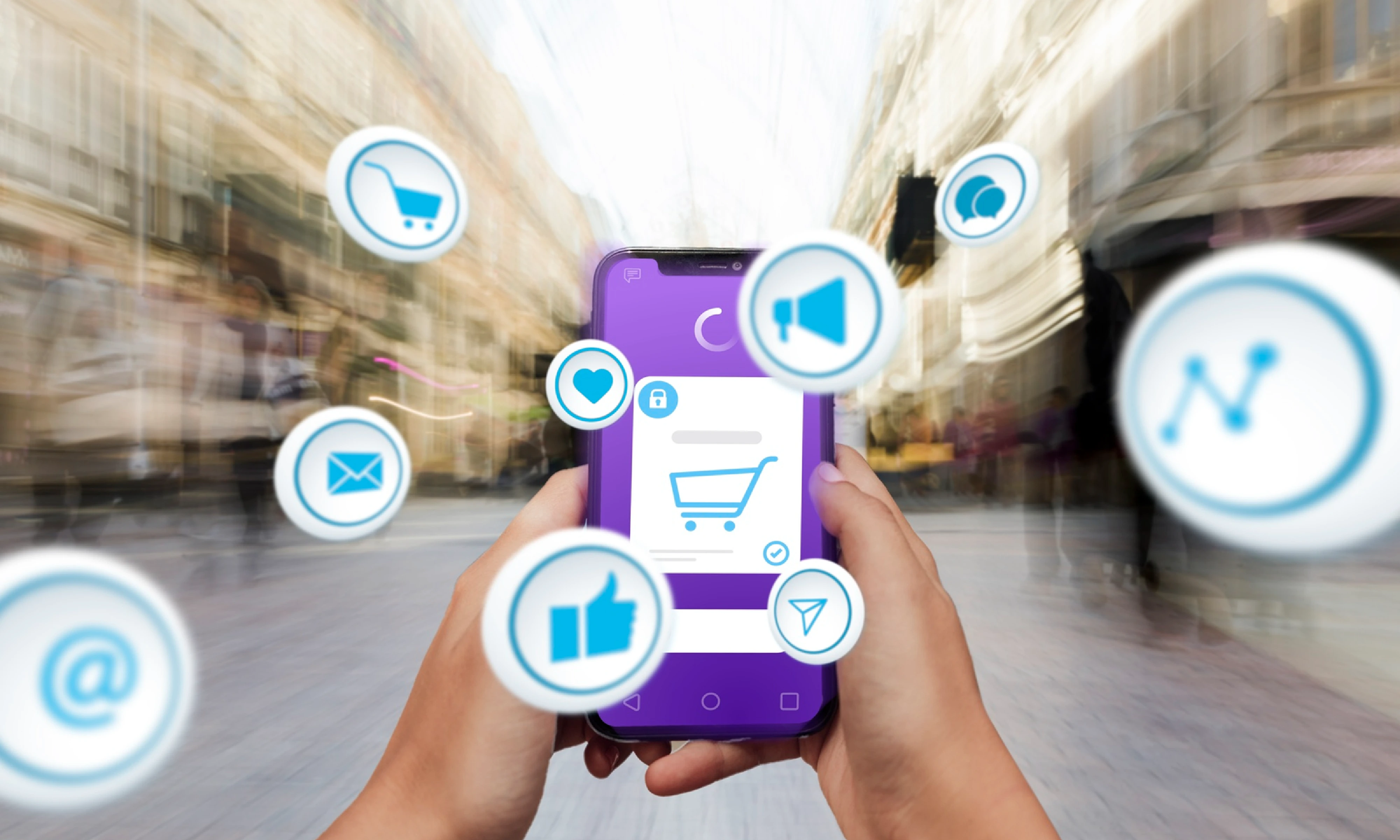
The golden era of cheap digital customer acquisition is over. For years, Direct-to-Consumer (D2C) brands in India focused obsessively on the "0 to 1" journey, burning capital to acquire users via Facebook and Instagram ads. However, with rising ad costs and intensifying competition, the focus has shifted. The battleground for sustainable growth is no longer just about acquiring a customer once; it is about retaining them forever.
Successful founders now realize that a D2C retention engine is the only defense against skyrocketing Customer Acquisition Costs (CAC). It is not enough to get a user to your website; you must convert them at a high rate, automate their reordering process, and lock them into a habit loop. This article explores how India's smartest FMCG startups are leveraging website optimization, hyper-personalized automation, and innovative subscription models to build a fortress of loyal customers.
Website Conversion Optimization FMCG Tactics
Your website is not just a digital catalog; it is a conversion machine. For an FMCG brand, where the average order value (AOV) is often low, the website must be engineered to maximize basket size and conversion velocity. A generic Shopify template is no longer sufficient to compete.
Gamification and Interactive Funnels
Modern consumers, particularly Gen Z, crave engagement before transaction. Static product pages are being replaced by interactive experiences. Brands are increasingly using gamification elements like "Spin the Wheel" pop-ups to capture leads and drive immediate conversion. Instead of a boring flat discount, winning a "Free Product" or "20% Off" creates a dopamine hit that nudges the user to checkout.
Furthermore, website conversion optimization FMCG strategies now rely heavily on guided selling. For example, hair care brands like Traya do not just sell oil; they force users to take a "Doctor-backed Quiz." This diagnostic approach does two things: it builds immense trust by diagnosing a problem, and it allows the brand to recommend a high-value regimen rather than a single low-value SKU.
The Art of Bundling and BYOB
Shipping a single ₹250 pack of coffee or cookies is unit-economics suicide due to logistics costs. To counter this, smart brands are deploying "Build Your Own Box" (BYOB) functionality. This strategy allows customers to mix and match flavors to reach a specific threshold (e.g., ₹999) to unlock free shipping or a free gift.
Bevzilla, a rising instant coffee brand, effectively utilizes this D2C brand launch strategy on their website. By encouraging users to bundle different coffee cube flavors into a single box, they significantly increase the AOV. This not only covers the shipping cost but also exposes the customer to more SKUs, increasing the likelihood of them finding a "hero flavor" that they will reorder repeatedly.
Automating the Retention Engine
Once a customer is acquired, the clock starts ticking on their second purchase. In India, where email open rates hover around 10-15%, brands have pivoted aggressively to WhatsApp, where open rates can exceed 98%.
WhatsApp: The New Email for India
WhatsApp is no longer just a support channel; it is a revenue channel. Advanced D2C brands are using the WhatsApp Business API to automate the entire post-purchase journey. The key is "Replenishment Flows." If a customer buys a 30-day pack of protein powder, the automation system is triggered to send a reorder nudge on the 25th day.
This is marketing automation software at its finest. Instead of a generic "Buy Now" message, the user receives a personalized message: "Hey Rahul, your chocolate protein is likely running low. Reply 'YES' to repeat your last order." This friction-free, conversational commerce model significantly reduces the effort required to make a repeat purchase, turning impulse into habit.
Email Marketing: Education Over Hard Selling
While WhatsApp is for transactions, email is for brand building. Successful email marketing automation in the FMCG space focuses on value addition. Brands like The Whole Truth do not just spam users with discount codes; they send long-form, educational content about reading food labels, the science of ingredients, and fitness myths.
By positioning themselves as educators, these brands build authority. When a customer trusts a brand's expertise, they become immune to competitor pricing. A well-structured welcome series that educates the user on how to use the product effectively can reduce churn and increase customer lifetime value FMCG brands aim for.
Cracking the Subscription Model Code
Subscriptions are the holy grail of D2C - predictable, recurring revenue. However, the Indian market has historically been resistant to auto-debit mandates due to trust issues and regulatory friction (RBI guidelines on recurring payments).
Overcoming the Auto-Debit Friction
To bypass the friction of setting up e-mandates, Indian startups are innovating with "Prepaid Subscriptions" or "Membership Clubs." Instead of asking for a monthly auto-debit, brands offer a "Subscribe and Save" pass where users pay upfront for 3 or 6 months at a deep discount.
This subscription model startups approach mimics the "Amazon Prime" effect. Once a customer has paid for a membership, they are mentally locked in. They stop looking at competitors because they have already committed to the ecosystem. This model secures cash flow upfront and guarantees retention for a fixed period.
The "Zero-Click" Reorder Loop
The ultimate goal is to make reordering effortless. Brands are integrating "wallet" features where customers can load money and get extra credits. When an order is due, the amount is deducted from the wallet with a simple OTP consent, avoiding the complex payment gateway redirects every time.
By combining online marketing for startups with smart fintech integrations, brands are creating "zero-click" experiences. For consumable products like diapers, pet food, or coffee, ensuring the product arrives before the customer even realizes they need it is the pinnacle of retention strategy.
Maximizing Customer Lifetime Value (CLV)
The metric that matters most to investors in 2025 is not just monthly revenue, but the LTV:CAC ratio (Lifetime Value to Customer Acquisition Cost). A healthy ratio of 3:1 or higher proves that the brand is sustainable.
Personalization at Scale
Increasing CLV requires hyper-personalization. It is not enough to address the customer by name. Brands must use data to predict what the customer needs next. If a user bought a face wash, the email marketing automation system should cross-sell a moisturizer after 10 days, not a shampoo.
Using tools like intellsys.ai, brands can analyze vast amounts of customer data to identify high-value cohorts. These insights allow founders to focus their budget on retaining the top 20% of customers who contribute to 80% of revenue, rather than spraying discounts on one-time bargain hunters.
The Feedback Loop as a Growth Lever
Retention is also about listening. Automated feedback flows sent via WhatsApp immediately after delivery help brands catch dissatisfied customers before they churn. Turning a 1-star experience into a 5-star resolution can often create a more loyal customer than a perfect delivery would have.
Startups are now using this feedback to iterate on products rapidly. When customers see their suggestions implemented (e.g., "We improved the packaging based on your feedback"), it creates a sense of ownership and deepens the emotional connection, which is a critical component of customer lifetime value FMCG brands need to cultivate.
Conclusion
The transition from a "growth at all costs" mindset to a "profitable retention" mindset is the defining shift for Indian FMCG startups. By turning their websites into high-conversion funnels, leveraging WhatsApp for frictionless reordering, and crafting India-centric subscription models, brands can build a resilient business.
In this new landscape, technology is the enabler, but empathy is the driver. The brands that win will be those that use automation not just to sell, but to serve—predicting needs, educating consumers, and making their lives measurably easier.
GrowthJockey operates as a leading venture architect, helping enterprises and founders build and scale new businesses with precision. By leveraging advanced tools like intellsys.ai for market intelligence and Ottoscholor for continuous learning, Growth Jockey ensures that every strategic decision is backed by data. Whether it is refining an MVP development process or scaling complex operations, Growth Jockey provides the execution excellence required to navigate the digital landscape effectively.
FAQs
Q1. What is a D2C retention engine? Ans. A D2C retention engine is a system of automated workflows using email, WhatsApp, and website features designed to engage existing customers and encourage repeat purchases.
Q2. Why is WhatsApp important for FMCG retention in India? Ans. WhatsApp offers significantly higher open rates (98%) compared to email, allowing brands to send timely replenishment reminders and offers that get noticed and acted upon instantly.
Q3. How can I improve my FMCG website conversion rate? Ans. You can improve conversion rates by implementing gamified pop-ups, offering "Build Your Own Box" bundles to increase AOV, and ensuring a seamless, mobile-optimized checkout process.
Q4. What is a "Replenishment Flow" in marketing automation? Ans. A replenishment flow is an automated message sequence triggered by the estimated consumption time of a product, reminding the customer to reorder before they run out.
Q5. Why are subscription models difficult for Indian D2C brands? Ans. Regulatory friction around auto-debit payments (e-mandates) and a general consumer preference for flexibility make traditional "set it and forget it" subscriptions harder to scale in India.





BETA
AdGPT

Industries
Growth
Operations
Technology